
What Causes Restless Legs?
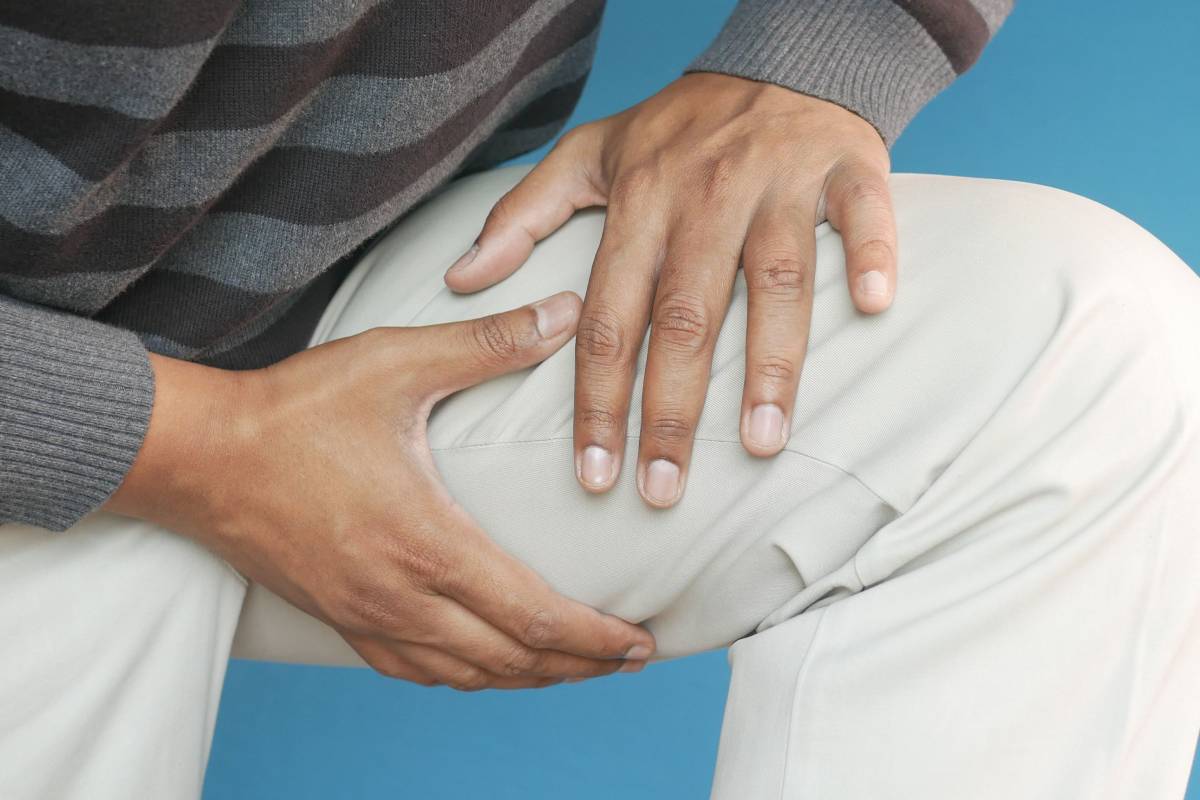
Restless legs can be more than simply feeling like you need to move around. For some people, an uncomfortable sensation in the legs creates an almost irresistible urge to move them, particularly when sitting or lying down.
This is commonly associated with restless legs syndrome (RLS), a neurological condition that can make it difficult to relax or sleep. However, leg discomfort and the urge to move your legs can also occur for other reasons, including problems with the veins.
People with chronic venous disease may experience aching, heaviness, cramping, throbbing, or uncomfortable sensations in their legs that become more noticeable when they are resting. In some cases, these symptoms can feel similar to restless legs.
Understanding the difference is important because the appropriate treatment depends on what is causing the symptoms.
What Does Restless Legs Feel Like?
Restless legs syndrome is usually characterized by an uncomfortable sensation deep within the legs along with a strong urge to move them.
People describe the sensation in different ways. It may feel like crawling, pulling, tingling, itching, throbbing, or an internal restlessness that is difficult to ignore.
One of the most characteristic features is that the symptoms become worse when you are resting. Sitting in a chair, lying in bed, traveling, or remaining still for an extended period can trigger or intensify the sensations.
Moving your legs usually provides at least temporary relief.
Symptoms also tend to be worse in the evening or at night. For some people, this can make falling asleep or staying asleep difficult.
Can Vein Problems Cause Restless Legs?
Vein disease can cause symptoms that resemble restless legs, although chronic venous disease and restless legs syndrome are not the same condition.
When the valves inside the veins become weak or damaged, blood can flow backward and pool in the legs. This is called venous reflux.
The resulting increase in pressure can cause aching, heaviness, cramping, throbbing, itching, or a feeling of discomfort in the legs. These sensations may become more noticeable after a long day of standing or sitting and may make you feel as though you need to move your legs.
For someone experiencing these symptoms, it can sometimes be difficult to tell whether the problem is restless legs syndrome or an underlying vein problem.
A vein evaluation can help determine whether venous disease is contributing to the discomfort.
How Are Restless Legs Different From Vein-Related Symptoms?
There can be significant overlap between the two, but there are some important differences.
Restless legs syndrome is generally associated with an urge to move the legs, symptoms that occur or become worse during periods of rest, improvement with movement, and symptoms that are particularly noticeable in the evening or at night.
Vein-related symptoms, on the other hand, are more likely to include aching, heaviness, swelling, visible varicose veins, itching, or changes in the skin. They often become worse after prolonged standing or sitting and may improve when the legs are elevated or when you walk.
These patterns are not absolute, and a person can have both conditions at the same time.
What Causes Restless Legs?
The exact cause of restless legs syndrome is not always known. Several factors may contribute to its development.
Family history: RLS can run in families, particularly when symptoms begin at a younger age.
Iron levels: Low iron stores can be associated with restless legs syndrome, even when a person does not have obvious anemia.
Pregnancy: Restless legs symptoms can occur or become more noticeable during pregnancy and often improve after delivery.
Certain medical conditions: Kidney disease and some other medical conditions can be associated with restless legs symptoms.
Medications: Certain medications can cause or worsen symptoms in some people.
Nervous system factors: RLS is thought to involve the way the brain uses dopamine, a chemical messenger involved in movement.
At the same time, not every person who experiences restless or uncomfortable legs has RLS. Venous disease, nerve problems, muscle cramps, and other conditions can produce similar sensations.
What Causes Restless Legs at Night?
Restless legs symptoms often become more noticeable at night because they tend to occur when the body is at rest.
After spending the day walking and moving around, you may finally sit or lie down and notice sensations that were less apparent while you were active.
For people with true restless legs syndrome, symptoms typically follow a pattern of becoming worse during periods of inactivity and later in the day.
For people with vein disease, nighttime discomfort may instead be related to the accumulation of pressure and fluid in the legs throughout the day.
Paying attention to when your symptoms occur and what makes them better or worse can provide useful information when determining the cause.
Who Is Most Likely to Develop Restless Legs?
Restless legs can affect people of many ages, although it becomes more common with age.
Family history: People with a close family member who has RLS may be more likely to develop it.
Pregnancy: Hormonal and other changes during pregnancy can temporarily increase the likelihood of restless legs symptoms.
Low iron stores: Iron deficiency or low iron stores can contribute to RLS in some people.
Certain medical conditions: Some chronic conditions, including kidney disease, are associated with an increased risk.
Age: Restless legs can become more common as people get older.
Many of the same people who experience restless legs symptoms may also have other conditions affecting the legs, including chronic venous disease. Determining the underlying cause is important because treatment is different for each condition.
How Are Restless Legs Diagnosed?
There is no single test that confirms restless legs syndrome. Diagnosis is generally based on the pattern of your symptoms, when they occur, what makes them better or worse, and your medical history.
Your provider may also consider other potential causes of your symptoms. Depending on your circumstances, blood tests may be used to evaluate iron levels or look for other conditions.
If your symptoms are accompanied by swelling, varicose veins, spider veins, aching, heaviness, or other signs of venous disease, a lower-extremity venous ultrasound may also be appropriate.
Ultrasound can evaluate blood flow through the veins and identify venous reflux.
This distinction matters because treating an underlying vein problem may help relieve symptoms when chronic venous disease is contributing to your leg discomfort, while true restless legs syndrome may require a different approach.
How Are Restless Legs Treated?
Treatment depends on the underlying cause.
For people with restless legs syndrome, treatment may involve addressing low iron stores or other contributing conditions, reviewing medications that could be worsening symptoms, improving sleep habits, and, when appropriate, using medications specifically designed to treat RLS.
If venous disease is contributing to uncomfortable or restless sensations in the legs, treating the underlying vein problem may be recommended.
Endovenous Ablation
Endovenous ablation is a minimally invasive treatment used to close an unhealthy vein that is allowing blood to flow backward.
Using ultrasound guidance, a small catheter is inserted into the affected vein. Energy is then used to seal the vein closed.
Once the problematic vein is closed, blood naturally redirects through healthier veins. The procedure generally requires only a small access point and typically involves much less recovery than traditional surgical vein removal.
Sclerotherapy
Sclerotherapy is commonly used to treat smaller varicose veins, reticular veins, and spider veins.
A specialized solution is injected into the affected vein, causing it to close. The body gradually absorbs the treated vein while blood is redirected through healthier vessels.
Sclerotherapy may be used to treat visible veins that remain after an underlying source of venous reflux has been addressed.
Vein Surgery
Some patients have larger or more complex varicose veins that require a surgical approach. Modern vein procedures are much less invasive than traditional vein surgery, and the appropriate technique depends on the size, location, and condition of the affected veins.
Your provider can determine which treatment is appropriate based on your examination and ultrasound findings.
Can Restless Legs Be Prevented?
There is no guaranteed way to prevent restless legs syndrome, particularly when genetics or an underlying medical condition is involved.
However, maintaining regular physical activity, establishing consistent sleep habits, limiting caffeine and alcohol when they trigger symptoms, and avoiding prolonged periods of inactivity may help some people manage their symptoms.
If you spend much of the day sitting or standing, taking regular walking breaks can also support healthy circulation.
For people whose symptoms are related to venous disease, maintaining a healthy weight, exercising regularly, and avoiding prolonged periods of standing or sitting can help support healthy circulation. Elevating your legs when resting may also help reduce venous pressure and swelling.
When Should You See a Vein Specialist?
Consider having your legs evaluated if restless or uncomfortable sensations are accompanied by varicose veins, spider veins, swelling, aching, heaviness, itching, cramping, or changes in the skin around your ankles and lower legs.
An evaluation may be particularly helpful if your symptoms become worse after spending a long day standing or sitting and improve when you walk or elevate your legs.
If your symptoms occur primarily at night, are relieved by movement, and do not appear to be associated with swelling or other signs of vein disease, restless legs syndrome or another condition may be more likely.
At Thunderbird Vein, we use diagnostic ultrasound to evaluate the veins beneath the skin and identify problems with blood flow when appropriate. If venous reflux is contributing to your leg discomfort, treatment may include endovenous ablation, sclerotherapy, or vein surgery, depending on your individual condition.
Restless or uncomfortable legs can make it difficult to relax, sit comfortably, or get a good night's sleep. Sometimes the cause is restless legs syndrome. In other cases, the discomfort may be related to the veins. Understanding the difference is the first step toward finding the right treatment.

Schedule a consultation today
Enter your information below and we'll call you to schedule a consult.