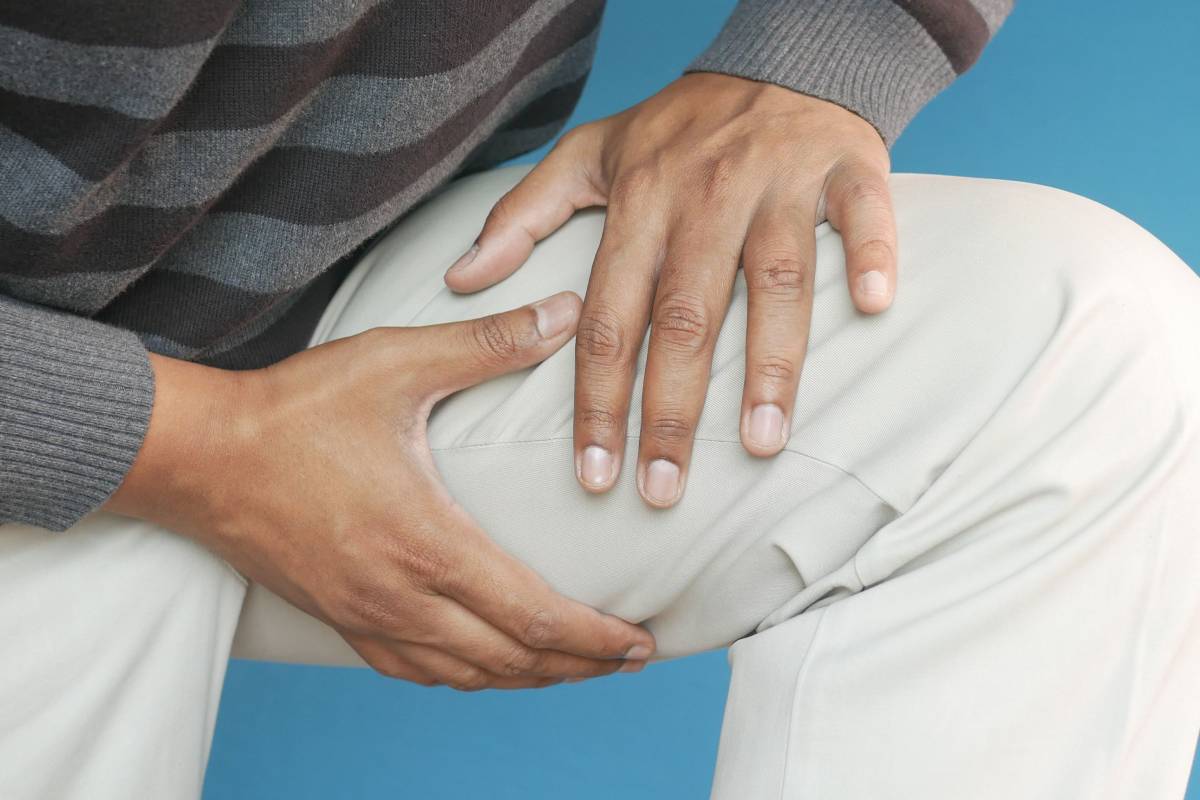

What Causes Leg Cramping?
Leg cramps are sudden, involuntary muscle contractions that can cause significant pain. They often happen in the calves, feet, or thighs and may last anywhere from a few seconds to several minutes.
Occasional leg cramps are common and can happen for many reasons, including dehydration, muscle fatigue, certain medications, or electrolyte imbalances. But if you regularly experience cramping in your legs—especially after standing for long periods—it may be related to an underlying problem with your veins.
When the veins in your legs have difficulty returning blood to your heart, blood can pool in the lower legs and increase pressure within the veins. This can contribute to aching, heaviness, swelling, and muscle cramping.
If your leg cramps occur along with varicose veins, spider veins, swelling, or other symptoms of poor circulation, a vein evaluation can help determine whether venous disease is contributing to the problem.
Why Can Vein Problems Cause Leg Cramps?
Your leg veins have to move blood upward, against gravity, to return it to your heart. Small one-way valves inside the veins help prevent blood from flowing backward.
When these valves become weak or damaged, blood can flow in the wrong direction and pool in the lower legs. This is known as venous reflux.
The increased pressure caused by blood pooling can affect the surrounding tissues and contribute to discomfort, including muscle cramping.
Standing for long periods can make these symptoms worse because gravity increases the amount of blood collecting in the lower legs. Walking, on the other hand, activates the calf muscles and helps push blood upward through the veins.
This is one reason some people with venous disease notice that their legs feel worse after a long day on their feet.
What Do Vein-Related Leg Cramps Feel Like?
A leg cramp caused or aggravated by venous disease can feel like a sudden tightening or hardening of the muscle, usually in the calf or foot.
Some people experience a sharp, intense pain that comes on suddenly. Others describe a persistent tightness, twitching, or aching sensation rather than a severe cramp.
Venous-related cramping may occur along with other symptoms, including aching or throbbing, heaviness or fatigue, swelling around the ankles, itching or burning, or visible varicose or spider veins.
The timing of the symptoms can also provide clues. If your legs tend to cramp or ache after prolonged standing or sitting and feel better after walking or elevating them, venous disease may be contributing.
What Causes Leg Cramps?
Leg cramps have many possible causes, and not all are related to the veins.
Venous insufficiency: Weak vein valves can allow blood to pool in the legs, increasing pressure and contributing to cramping and discomfort.
Muscle fatigue: Overusing or straining a muscle can lead to cramping, particularly after exercise or prolonged physical activity.
Dehydration: Losing too much fluid can increase the likelihood of muscle cramps.
Electrolyte imbalances: Low levels of certain minerals, including potassium, magnesium, or calcium, can sometimes contribute to muscle cramping.
Prolonged sitting or standing: Remaining in one position for an extended period can affect circulation and increase the likelihood of leg discomfort.
Medications: Certain medications can contribute to muscle cramps as a side effect.
Nerve or circulation problems: Conditions affecting the nerves or arteries can also cause pain, cramping, or other unusual sensations in the legs.
Because there are so many potential causes, recurring leg cramps should be evaluated rather than automatically assumed to be a vein problem.
Are Leg Cramps a Sign of Vein Disease?
They can be. Muscle cramps are a recognized symptom of chronic venous disease, particularly when they occur along with other symptoms such as aching, heaviness, swelling, or visible varicose veins.
Venous cramping may become more noticeable after spending a long time standing or sitting. Some people experience symptoms later in the day or at night after their legs have been under pressure for many hours.
However, cramping by itself does not necessarily mean you have a vein problem.
If you have frequent cramps along with swelling, varicose veins, spider veins, or skin changes around your ankles and lower legs, an evaluation can help determine whether venous reflux is contributing.
How Are Vein-Related Leg Cramps Different?
There is no single type of leg cramp that proves a vein problem is responsible. Instead, providers look at the overall pattern of your symptoms.
Leg cramps associated with venous disease are more likely to occur alongside aching, heaviness, swelling, visible veins, or other signs of chronic venous disease.
Symptoms may become worse after prolonged standing or sitting and may improve with walking, changing positions, or elevating your legs.
Other types of cramps may have different triggers. Exercise-related cramps may occur during or immediately after physical activity. Dehydration-related cramps may follow heavy sweating or inadequate fluid intake. Nerve-related problems may cause cramping along with numbness, tingling, burning, or weakness.
Understanding when the cramps occur and what makes them better or worse can help identify the underlying cause.
Who Is Most Likely to Develop Vein-Related Leg Cramps?
Anyone can develop chronic venous disease, but certain factors can increase the risk.
Age: Vein valves can become less effective over time, making venous reflux more common.
Family history: Genetics play an important role in the development of varicose veins and chronic venous disease.
Prolonged standing: Jobs that require you to stand for much of the day can increase pressure within the veins of the legs.
Prolonged sitting: Sitting for extended periods can reduce the muscle activity that helps move blood through the veins.
Pregnancy: Increased blood volume, hormonal changes, and pressure on the veins can contribute to venous problems.
Excess weight: Additional pressure can make it more difficult for blood to return efficiently from the legs.
Previous blood clots: A history of deep vein thrombosis can damage the valves inside the veins and contribute to chronic venous insufficiency.
How Are Leg Cramps Diagnosed?
If your leg cramps are frequent or occur along with other symptoms of vein disease, a vein evaluation can help determine whether venous reflux is contributing.
Your provider will typically ask about when the cramps occur, how long they last, whether they are associated with standing or sitting, and whether walking or elevating your legs provides relief.
Your legs may also be examined for varicose veins, spider veins, swelling, skin discoloration, or other signs of chronic venous disease.
A lower-extremity venous ultrasound can provide a detailed look at the veins beneath the skin. Ultrasound can show how blood is moving through the veins and identify abnormal backward blood flow, or venous reflux.
If your ultrasound does not show significant venous disease, your provider may consider other possible causes of your cramping.
How Are Vein-Related Leg Cramps Treated?
Treatment depends on what is causing the cramps. If venous reflux is contributing to your symptoms, treating the underlying vein problem may help reduce the pressure and discomfort in your legs.
Endovenous Ablation
Endovenous ablation is a minimally invasive treatment used to close an unhealthy vein that is allowing blood to flow backward.
Using ultrasound guidance, a small catheter is inserted into the affected vein. Energy is then used to seal the vein closed.
Once the problematic vein is closed, blood naturally redirects through healthier veins. The procedure generally requires only a small access point and typically involves much less recovery than traditional surgical vein removal.
Sclerotherapy
Sclerotherapy is commonly used to treat smaller varicose veins, reticular veins, and spider veins.
A specialized solution is injected into the affected vein, causing it to close. The body gradually absorbs the treated vein while blood is redirected through healthier vessels.
Sclerotherapy may be used to treat visible veins that remain after an underlying source of venous reflux has been addressed.
Vein Surgery
Some patients have larger or more complex varicose veins that require a surgical approach. Modern vein procedures are much less invasive than traditional vein surgery, and the appropriate technique depends on the size, location, and condition of the affected veins.
Your provider can determine which treatment is appropriate based on your examination and ultrasound findings.
Can Leg Cramps Be Prevented?
Not every leg cramp can be prevented, particularly when it is caused by an underlying medical condition. However, several habits may help reduce the frequency of cramps and support healthy circulation.
Regular walking and exercise activate the calf muscles, which help push blood back toward the heart. If you spend much of the day standing, changing positions and taking short walking breaks can help keep blood moving.
Staying adequately hydrated and maintaining a balanced diet can also help reduce some types of muscle cramps.
If you spend much of the day sitting, getting up and walking periodically can support circulation. Elevating your legs when resting may also help reduce pressure and swelling.
Compression stockings can help manage symptoms for some people with venous disease, although they do not correct damaged vein valves or eliminate venous reflux.
When Should You See a Vein Specialist?
Consider having your legs evaluated if you experience frequent or persistent cramping, particularly if the cramps occur along with aching, heaviness, swelling, varicose veins, spider veins, itching, or changes in the skin around your ankles and lower legs.
An evaluation is especially worthwhile if your symptoms consistently become worse after prolonged standing or sitting and improve when you walk or elevate your legs.
You should also seek prompt medical attention for sudden, severe pain or swelling in one leg, particularly if the leg becomes red or warm, because these symptoms can have causes that require urgent evaluation.
At Thunderbird Vein, we use diagnostic ultrasound to evaluate the veins beneath the skin and identify problems with blood flow when appropriate. If venous reflux is contributing to your symptoms, treatment may include endovenous ablation, sclerotherapy, or vein surgery, depending on your individual condition.
Leg cramps are common, but frequent cramping doesn't necessarily mean you simply have to live with it. If your cramps occur alongside other symptoms of vein disease, such as swelling, aching, heaviness, or visible veins, a vein evaluation can help determine whether an underlying circulation problem is contributing—and whether treatment can help.

Schedule a consultation today
Enter your information below and we'll call you to schedule a consult.